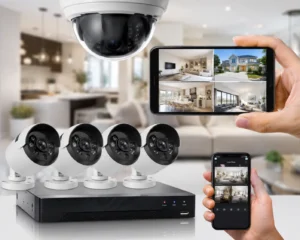
Lahore’s outdoor conditions can be demanding on security equipment. Summer heat, dust, humidity, and heavy rain can affect cameras that are not designed for external use. The best weatherproof security cameras for Lahore homes have a suitable IP rating, a wide operating-temperature range, clear night vision and protected cable connections. Good placement and professional installation are just as important as the camera itself.
What Makes a Security Camera Weatherproof?
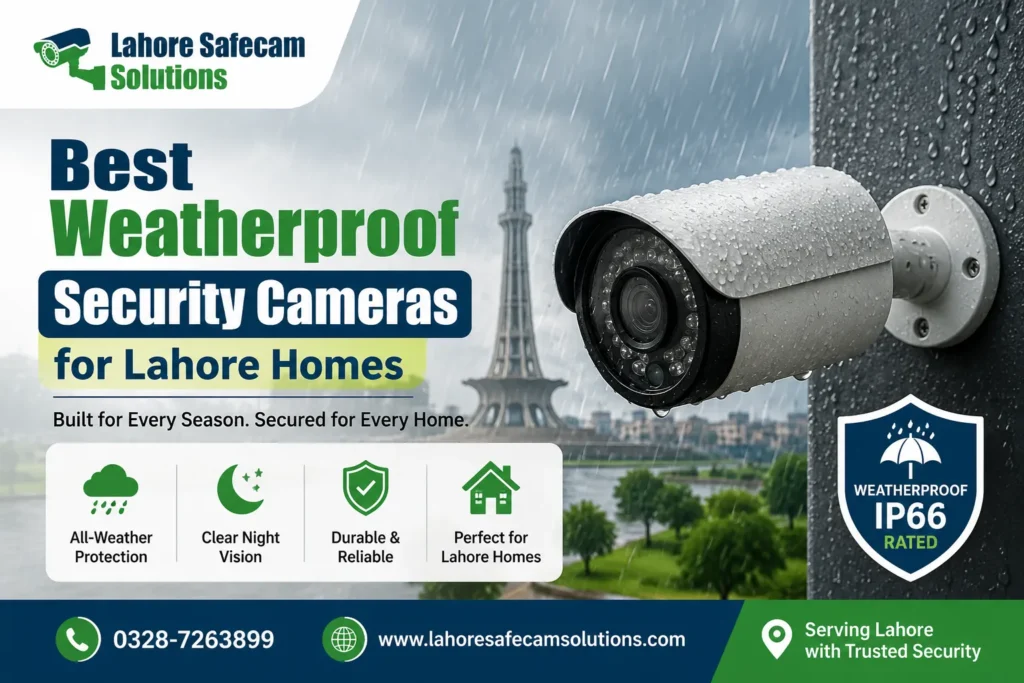
A weatherproof camera has a sealed housing that protects its internal components from dust and water. This protection is shown through an Ingress Protection, or IP, rating. For most outdoor CCTV systems, IP66 and IP67 are the most relevant ratings. An IP66 camera is dust-tight and designed to resist strong water jets. It is often suitable for gates, driveways and exposed exterior walls.
An IP67 camera provides similar dust protection with additional resistance to temporary water immersion. It may suit more exposed positions, although the camera rating does not automatically protect cables, connectors or power supplies. Weatherproofing must cover the complete installation. Even a durable outdoor camera can develop faults if rain reaches an exposed connector or power cable.
Which IP Rating Is Best for Lahore Homes?
For most properties, IP66 is a practical minimum for exposed outdoor cameras. It offers strong protection against dust and heavy rain when installed correctly. IP67 may be better for open rooftops, low boundary walls, or places where water regularly collects. IP65 cameras can work in sheltered positions, such as covered porches and balconies. However, they provide less protection against forceful water than IP66 or IP67 models. The right rating depends on where the camera will be installed. A sheltered entrance does not experience the same conditions as an open gate pillar or rooftop.
Can Outdoor Cameras Handle Lahore’s Summer Heat?
Outdoor cameras can handle high temperatures when their operating range is suitable and they are installed carefully. Direct sunlight can make a camera housing hotter than the surrounding air. Check the manufacturer’s operating-temperature range rather than relying only on the word “outdoor”. Some models are designed for moderate conditions but may struggle when exposed to direct summer sunlight for long periods. Where possible, position the camera beneath an eave or protective cover without blocking its view. The DVR, NVR, power supply and hard drive should remain in a dry, ventilated indoor area. Heat can affect recording equipment as well as the cameras installed outside.
How Do Dust and Rain Affect CCTV Performance?
Dust can settle on the lens cover and reduce image clarity. At night, infrared light may reflect from a dirty surface and create cloudy or washed-out footage. A dust-resistant housing protects the camera, but the lens still needs occasional cleaning. Rain should not stop a properly rated camera from operating. However, exposed cable joints and poorly sealed junction boxes are common points of failure.
Connections should be placed inside weather-resistant boxes. Cable entries should face downwards where possible to reduce water penetration. Water droplets can still blur the image during heavy rain. The mounting angle and nearby lighting should therefore be considered during installation. Homes near busy roads, construction sites or open plots may require more frequent camera cleaning because of increased dust exposure.
Wired, Wireless or IP: Which Works Best Outdoors?
Wired systems are often the most stable option for permanent outdoor coverage because video transmission does not depend on Wi-Fi strength.
- Analogue cameras usually connect to a DVR. They can be suitable for homes that need dependable monitoring at an affordable price.
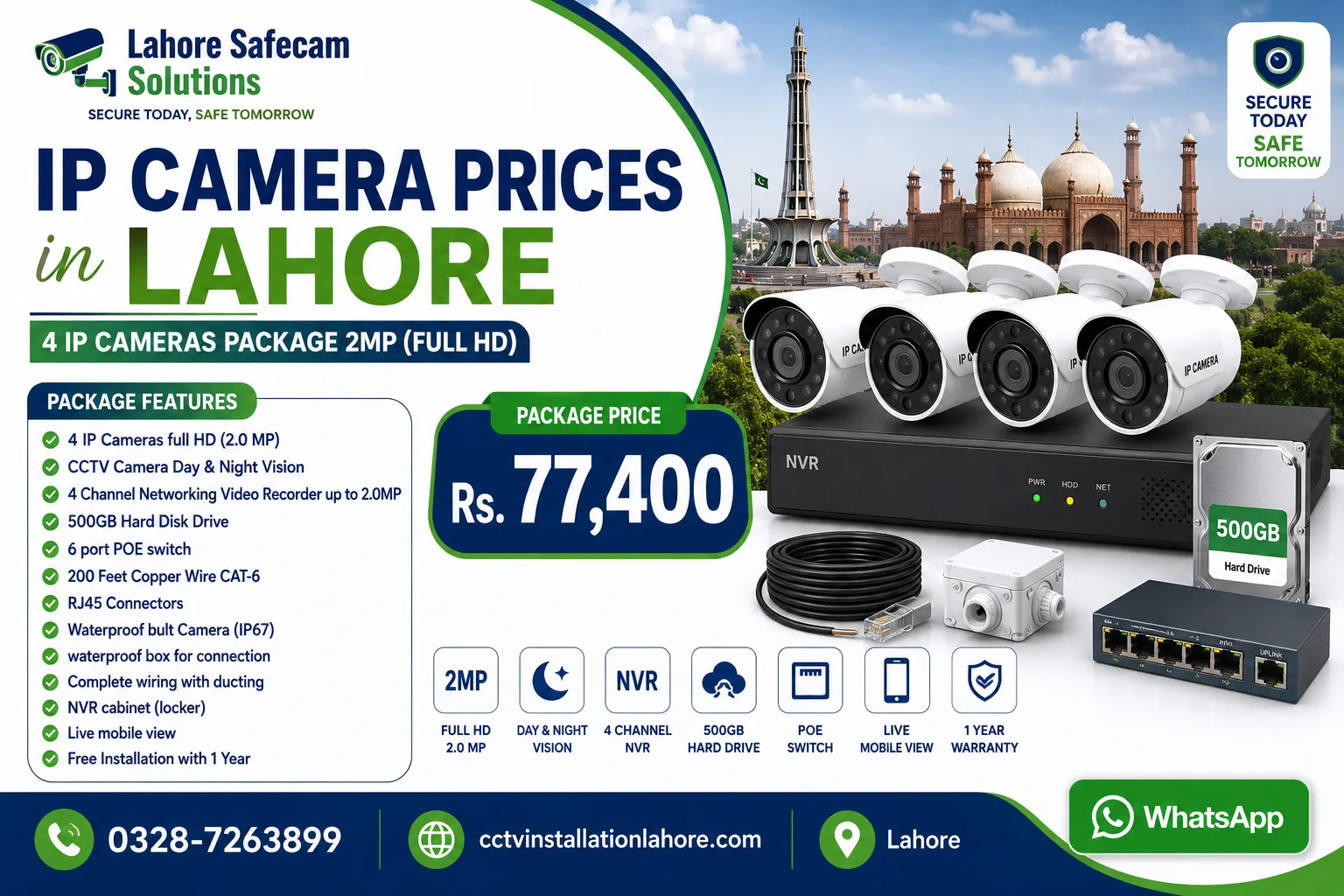
- IP cameras connect through a network and normally record to an NVR. Power over Ethernet, or PoE, allows compatible cameras to receive power and data through one network cable.
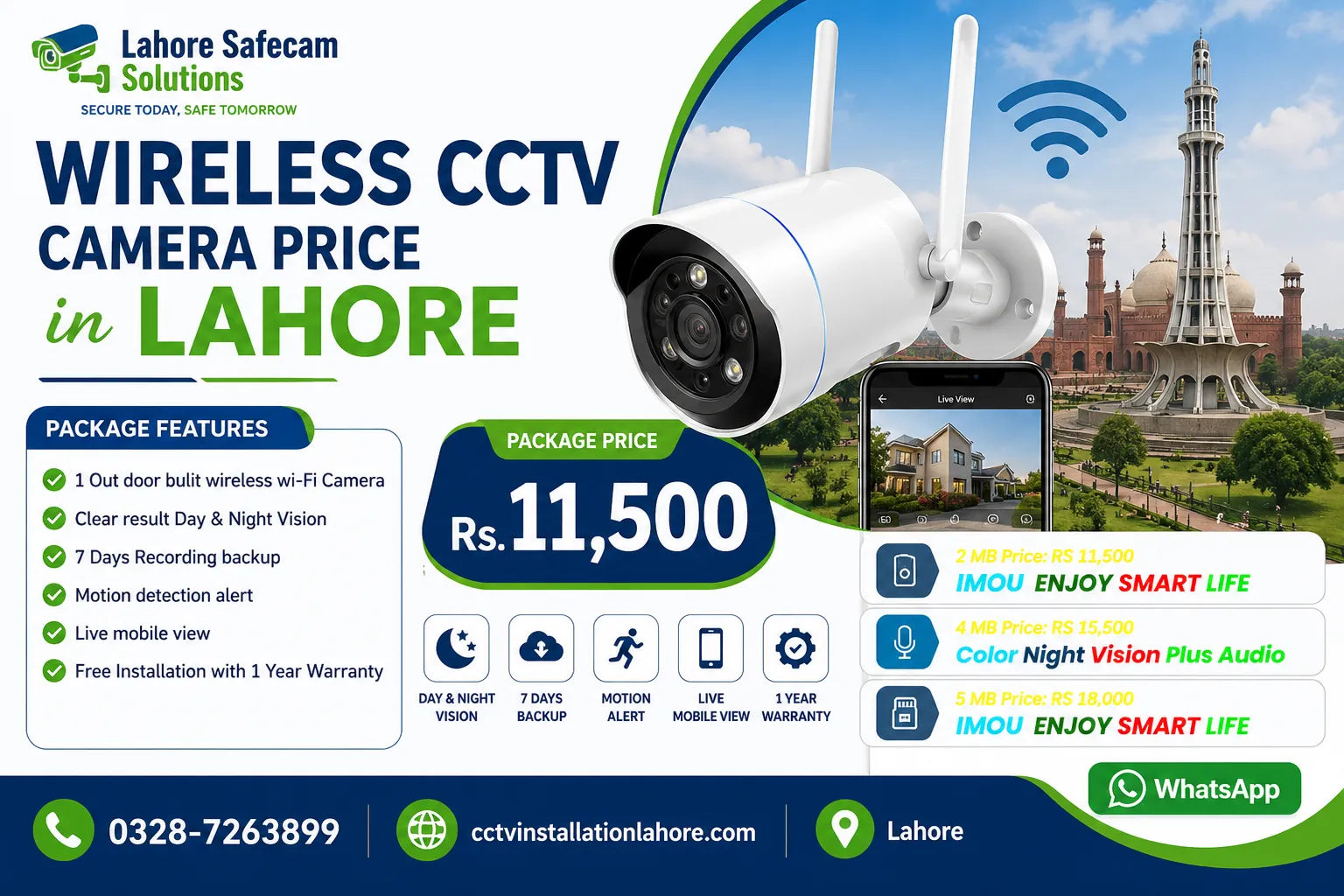
- Wireless cameras can help where running video cables is difficult. However, most still need a power connection.
Their reliability depends on Wi-Fi strength, router position and signal interference. Thick walls and long distances can cause outdoor wireless cameras to disconnect. A site survey should test Wi-Fi strength at gates and boundary walls before wireless cameras are recommended.
Which Outdoor Camera Features Matter Most?
Weather resistance is important, but several other features affect how useful the footage will be.
Image Resolution: A 2MP camera may be sufficient for general home monitoring. Higher-resolution cameras can provide more detail at gates, driveways, and wider outdoor spaces. Resolution should match the viewing distance. A wide image is not useful if faces or vehicles appear too small to identify. The camera lens and installation angle can be just as important as the megapixel count.
Night Vision: Infrared night vision allows a camera to record in low light, usually in black and white. Some outdoor cameras use supplementary lighting to produce colour footage after dark. These models may be useful around gates, parking spaces and entrances where more detail is required. Night-vision performance depends on the camera position, surrounding lighting and nearby reflective surfaces.
Wide Dynamic Range: Wide Dynamic Range, or WDR, helps balance bright and dark areas in the same image. It is useful when a camera faces a gate, doorway or driveway where bright daylight appears behind a person or vehicle. Without WDR, the background may look clear while the subject appears too dark.
Motion Detection: Motion alerts can notify users when movement is detected around the property. More advanced cameras may distinguish between people, vehicles and general movement. This can reduce unnecessary notifications caused by trees, animals or changing light.
Storage: Footage may be stored on a DVR, NVR, memory card or cloud platform. Local recording can continue without internet access. However, remote mobile viewing and cloud features normally require a stable internet connection. The required storage depends on the number of cameras, resolution, recording schedule and number of days the footage must be retained.
Where Should Outdoor Cameras Be Installed?
Outdoor cameras should capture useful evidence rather than simply showing that movement occurred.
Common priority areas include:
- Main gates and pedestrian entrances
- Front doors and porches
- Driveways and parking spaces
- Side passages
- Rear entrances
- Rooftop access points
- Isolated ground-floor windows
A camera should discourage tampering while remaining low enough to capture useful facial detail. Avoid pointing cameras directly towards the sun, bright lights or reflective metal gates. These conditions can create glare and reduce image clarity. Trees, signs, pillars and parked vehicles should not block the camera’s main viewing area. A professional installer should also consider how the view may change during the day. A clear area in the morning may become difficult to monitor when vehicles are parked outside.
Why Professional Installation Matters
Weatherproof security cameras are only as reliable as the installation around them. Exposed cables and connectors can be damaged by rain, heat or movement.
A professional outdoor CCTV installation should include:
- A property survey
- Suitable camera recommendations
- Secure wall or ceiling mounting
- Protected cable routes
- Weather-resistant junction boxes
- DVR or NVR configuration
- Mobile viewing setup
- Recording and playback tests
- Strong password configuration
- Basic user training
The installer should test each camera during the day and at night. A position that looks suitable in daylight may produce poor results when infrared night vision is activated. Homeowners should also ask how the system will operate during load shedding. A suitable UPS can provide temporary backup power for the cameras, recorder and router.
How Much Do Weatherproof Security Cameras Cost?
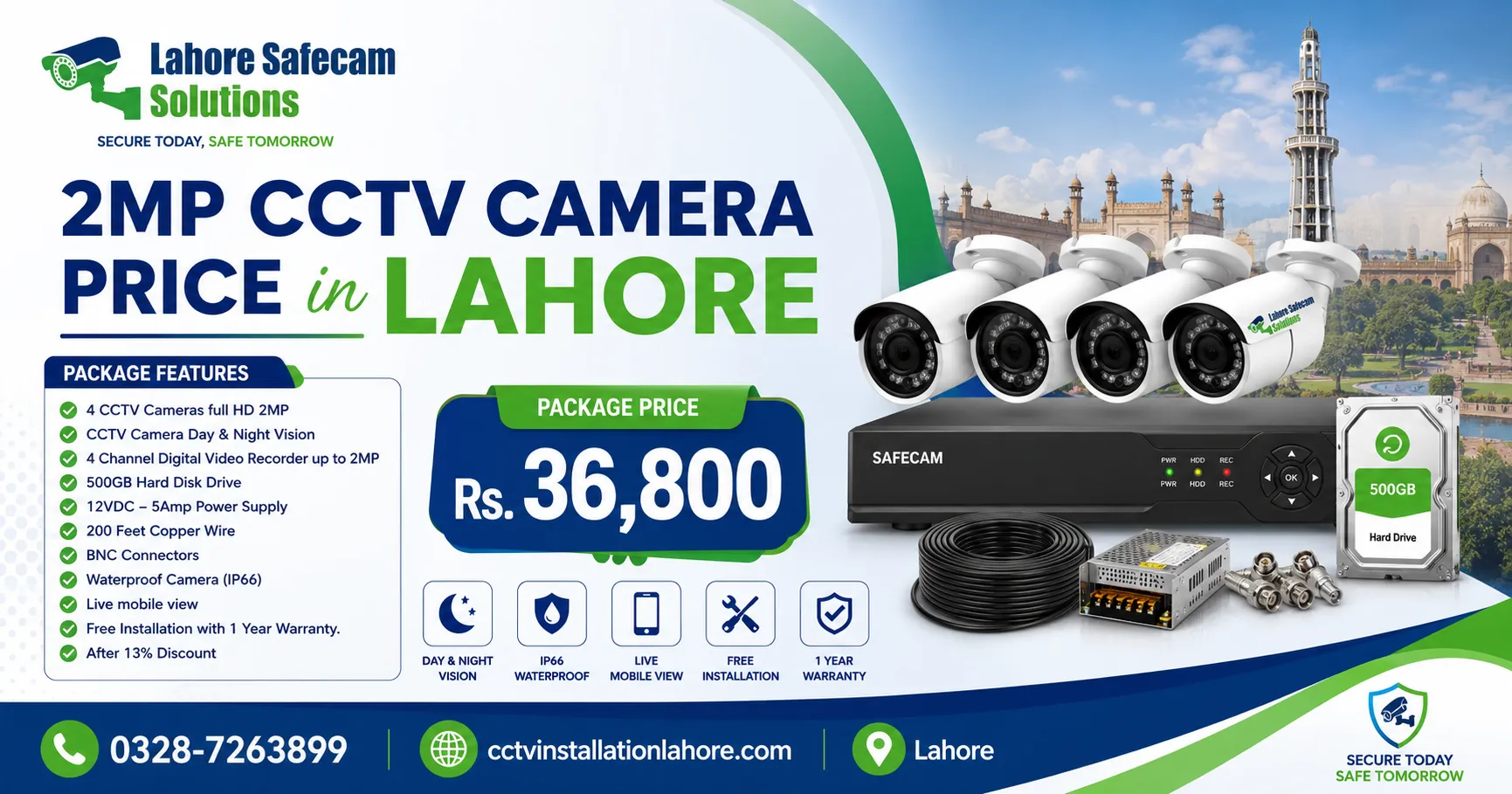
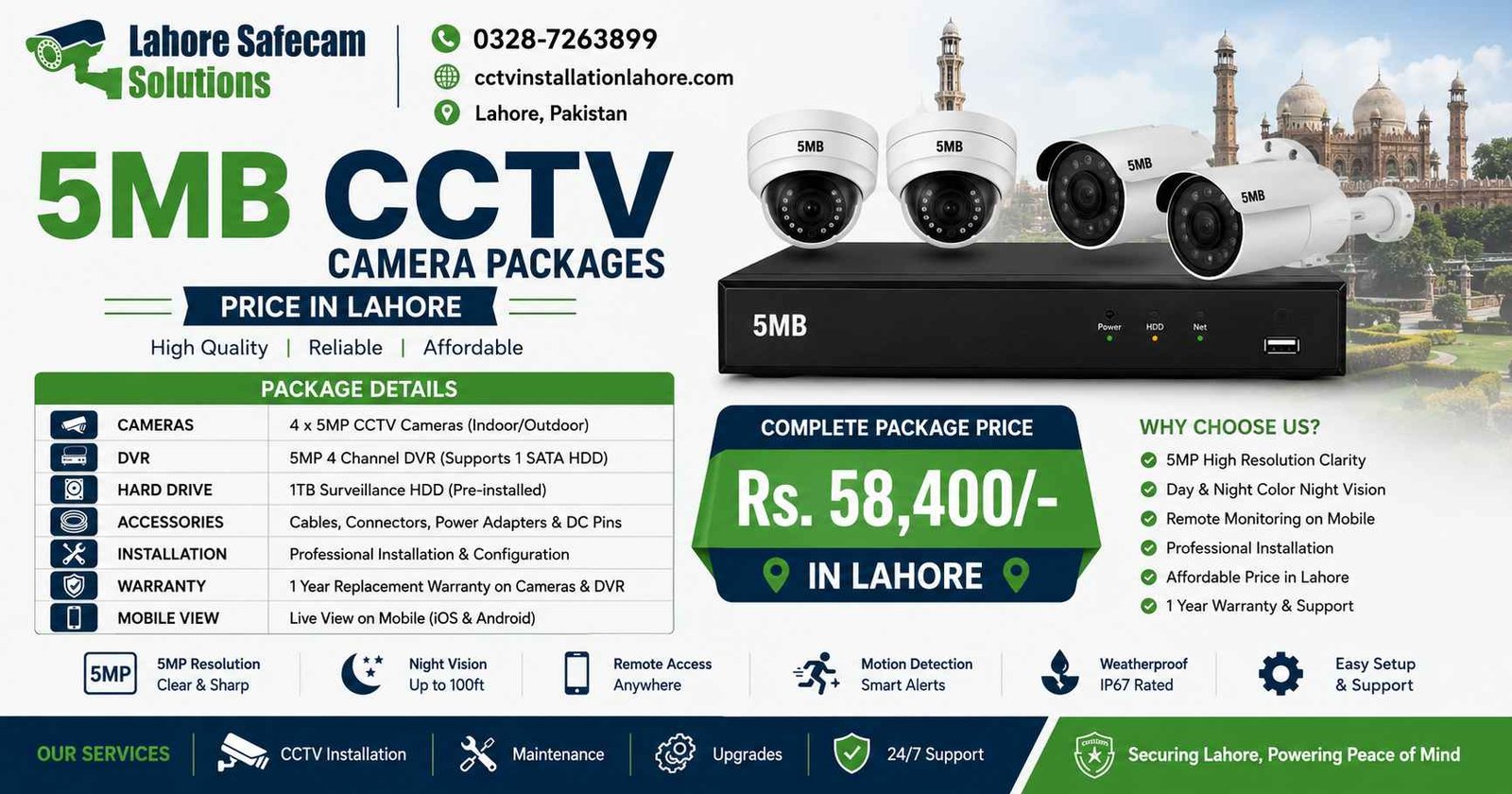
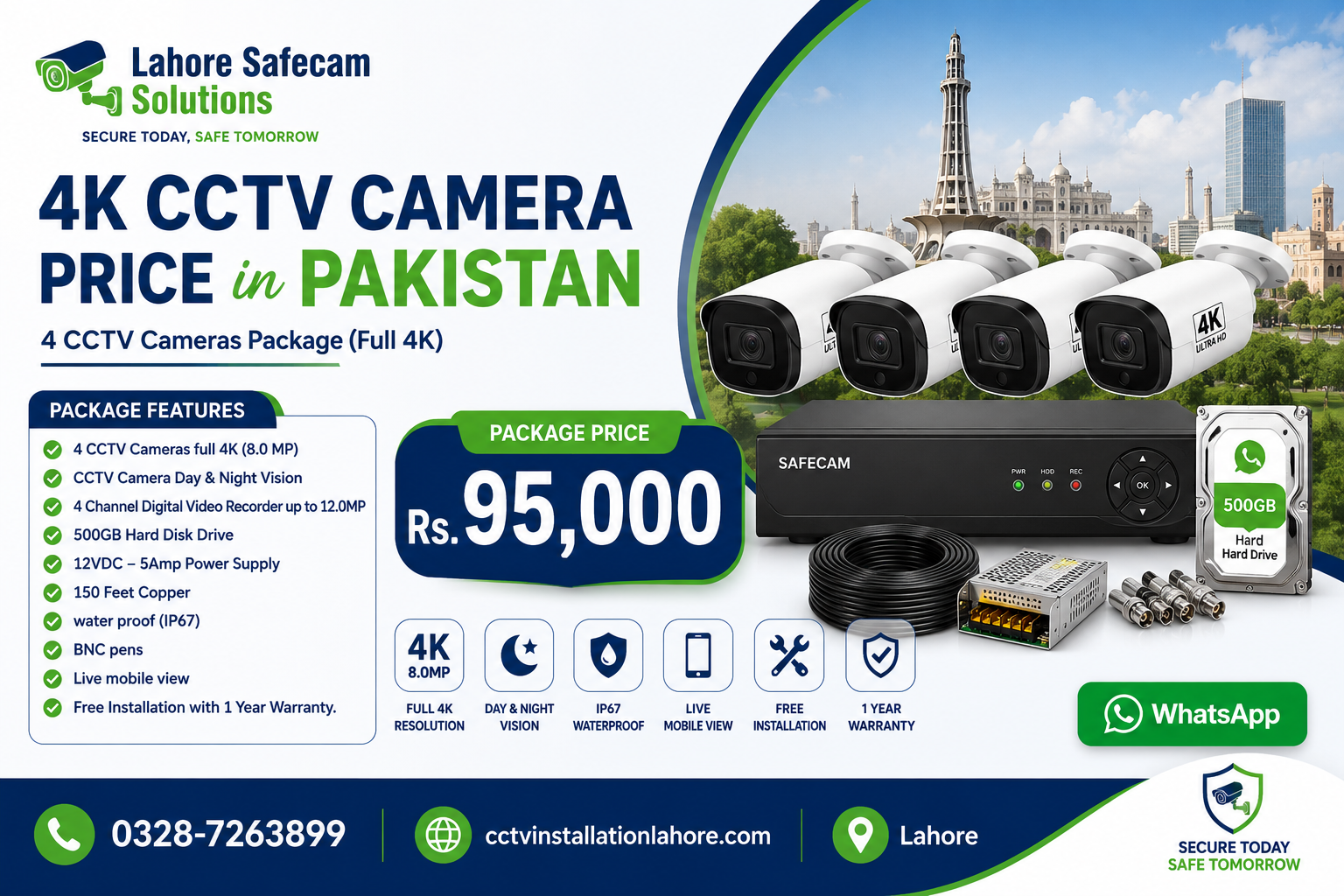
The cost depends on the camera type, resolution, night-vision features, storage and installation complexity. A single outdoor camera may appear affordable, but a complete system can also require a recorder, hard drive, cables, connectors, power supplies and installation labour. Long cable routes, high walls and difficult access can increase the cost.
An IP camera system may also require Cat6 cables, PoE switches or additional network configuration.
Ask for a written quotation that clearly lists:
- Camera brands and model numbers
- Camera resolution
- DVR or NVR capacity
- Hard-drive storage
- Cable allowance
- Installation charges
- Mobile viewing setup
- Warranty coverage
- After-sales support
This provides a fairer comparison than looking only at the advertised camera price.
How to Choose the Right Outdoor Camera
Identify which areas need coverage, how much detail is required and how long footage should be stored. The equipment can then be selected around those needs.
A practical buying checklist includes:
- IP66 or IP67 protection for exposed areas
- A suitable operating-temperature range
- Clear day and night footage
- The correct lens for the viewing distance
- Compatible DVR or NVR equipment
- Enough storage for the required recording period
- Secure mobile access
- Genuine warranty support
- Local repair and maintenance
- Professional installation
A camera should not be selected only because it claims to be waterproof or has the highest resolution. Camera position, lens choice and installation quality often have a greater effect on real results.
Frequently Asked Questions
Are Weatherproof Security Cameras Fully Waterproof?
Not necessarily. Their IP rating shows the tested level of dust and water protection. Connectors, cables and accessories must also be sealed correctly.
Is IP66 Suitable for Outdoor CCTV in Lahore?
IP66 is suitable for many exposed residential locations when installed properly. Areas with greater water exposure may benefit from IP67 equipment.
Can Wireless Security Cameras Be Installed Outside?
Yes, provided the camera has a suitable outdoor rating and reliable power and Wi-Fi coverage. Signal strength should be tested at the exact mounting point.
Do Outdoor Cameras Need Maintenance?
Yes. Lenses, junction boxes, cables and mounting brackets should be inspected periodically. Dust and water marks should be cleaned to maintain clear footage.
Will CCTV Work During Load Shedding?
A CCTV system needs backup power to continue operating during an outage. A suitable UPS can support the cameras, recorder and internet router for a limited period.
Which Camera Is Best for a Home Gate?
A gate camera should provide clear facial or vehicle detail, reliable night vision and strong weather protection. The correct lens depends on the width of the gate and viewing distance.
Final Thoughts
The best weatherproof security cameras for Lahore homes should withstand heat, dust, rain and changing light while providing clear and useful footage. Look for an appropriate IP rating, a suitable operating-temperature range, dependable night vision and protected cable connections. Professional installation is essential because even a durable outdoor camera can fail when its wiring, connectors or power equipment are exposed. Lahore SafeCam Solutions can inspect your property, identify vulnerable areas and recommend outdoor CCTV cameras based on your home layout and budget. Request a site survey and written quotation before choosing your security system.